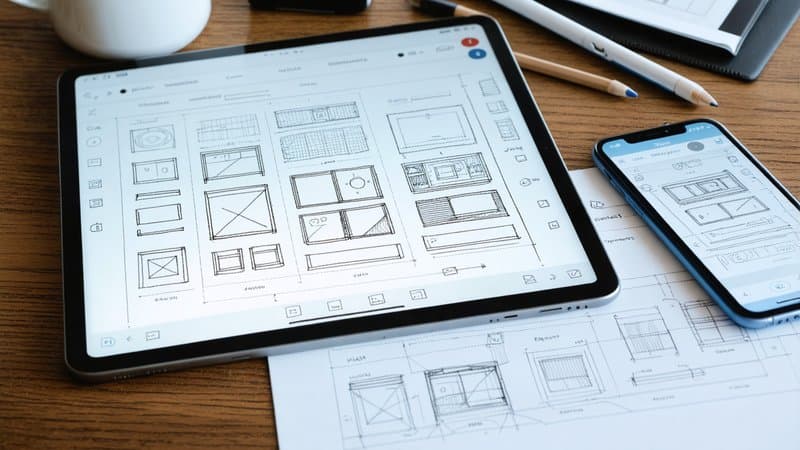

Typography has always been a foundational element in web design. More than just choosing fonts, typography shapes user experience, communicates brand identity, and influences readability. As technology evolves and user behaviors shift, typography continues to play a crucial role in web design. This post explores emerging trends, technological innovations, and strategic approaches that are shaping the future of typography in web design.
Why Typography Still Matters
Before we dive into the future, it’s important to recognize why typography remains vital. Typography:
- Establishes visual hierarchy
- Enhances readability and accessibility
- Conveys tone and emotion
- Supports branding consistency
- Improves user engagement and time on site
With increasing focus on user experience (UX) and search engine optimization (SEO), designers must embrace typography not just as art, but as a strategic tool.
1. Variable Fonts: Efficiency Meets Flexibility
One of the most exciting developments in typography is the advent of variable fonts. These fonts allow multiple styles (e.g., weight, width, slant) within a single file. Instead of loading multiple font files for bold, italic, or light versions, variable fonts deliver them all in one package.
Benefits of Variable Fonts
- Performance: Fewer HTTP requests and smaller file sizes improve page speed—an SEO and UX win.
- Design Consistency: Enables smoother transitions between weights and styles, perfect for responsive design.
- Creative Freedom: Designers can finely tune typography to match tone and layout.
Browsers like Chrome, Firefox, and Safari now support variable fonts, making them more accessible to designers worldwide.
2. Responsive Typography: Scaling Smarter
With users accessing websites across a spectrum of devices, responsive typography is no longer optional. While media queries helped scale fonts by device width, the future demands more intelligent, fluid approaches.
Emerging Techniques
- Clamp() Function: CSS’s
clamp()allows font sizes to scale between a minimum and maximum value, dynamically adjusting based on viewport width. - Fluid Typography Units: Using
vwandvhunits ensures type scales proportionally across devices. - Container Queries: The evolution of media queries to respond to container size, not just screen size, for modular, flexible layouts.
Responsive typography directly supports accessibility and user experience, helping websites appear more polished and readable across platforms.
3. Kinetic Typography: Adding Motion Without Chaos
Kinetic typography—animated text—once belonged solely to video and motion graphics. Now, it’s finding its place in web design, particularly on landing pages and hero sections. When used sparingly and intentionally, it draws attention, emphasizes key messages, and enhances interactivity.
Use Cases
- Brand storytelling: Animate taglines to communicate energy and personality.
- Microinteractions: Subtle text shifts on hover or scroll keep users engaged.
- Loading Indicators: Entertaining animated text can make wait times feel shorter.
However, designers must balance creativity with usability. Overusing kinetic typography can distract or overwhelm users, particularly on mobile devices.
4. Dark Mode Typography: Designing for Accessibility
Dark mode is no longer a novelty; it’s a standard feature across operating systems and browsers. Typography in dark mode, however, presents unique challenges. High contrast text can cause eye strain, while low contrast can reduce readability.
Best Practices for Dark Mode Typography
- Use Slightly Off-White Text: Pure white on black creates too much contrast. Light grays reduce strain while maintaining readability.
- Increase Letter Spacing: Dark backgrounds benefit from slightly more spacing to aid legibility.
- Mind Font Weight: Thin fonts can disappear in dark mode; opt for medium or bold weights when necessary.
Design systems now often include dual-mode typography guidelines, ensuring consistency and readability in both light and dark themes.
5. AI-Driven Typography: Personalization at Scale
Artificial Intelligence is transforming typography by enabling adaptive and personalized experiences. Through behavioral data, AI can adjust font size, spacing, or typefaces in real-time to suit user preferences or accessibility needs.
Applications of AI in Typography
- Dynamic Type Adjustments: AI can adjust type based on lighting, screen resolution, or user age.
- Content Personalization: Customize font styles to align with individual user profiles or browsing patterns.
- A/B Testing Automation: Use AI to test multiple typography styles and identify the highest-performing combinations.
AI enhances both UX and conversion rates by tailoring typography to each user’s context—an approach increasingly valuable for ecommerce and media sites.
6. Minimalist Fonts and Brutalism: Contrasting Trends
Two seemingly opposing trends are shaping modern typography: minimalism and brutalism. Minimalist fonts—clean, sans-serif, and neutral—prioritize clarity and harmony. On the other hand, brutalist typography embraces bold, oversized, and sometimes chaotic type.
When to Use Each Style
- Minimalism: Ideal for tech, finance, and corporate sites aiming for professionalism.
- Brutalism: Works well in creative portfolios, art-focused brands, or cultural commentary websites.
The future likely holds a fusion of both—clean design punctuated with bold, expressive headlines for contrast and personality.
7. Typography and Accessibility: A Moral and Legal Imperative
Accessible typography isn’t just good UX—it’s a legal and ethical requirement. As global awareness of digital inclusion grows, designers must consider how type choices impact users with visual or cognitive impairments.
Accessibility-Focused Typography Strategies
- Readable Fonts: Choose legible typefaces over decorative ones. Stick with standard sans-serif or serif fonts.
- Sufficient Contrast: Maintain WCAG AA or AAA color contrast ratios between text and background.
- Adjustable Sizing: Allow users to increase font size without breaking layout.
- Avoid All Caps: All-uppercase text is harder to read and should be used sparingly.
Accessible typography benefits everyone, from users with dyslexia to aging populations.
8. Web Typography and SEO: A Hidden Connection
Typography indirectly affects SEO by influencing engagement metrics like bounce rate, dwell time, and readability. Google’s algorithms favor websites that deliver high-quality user experiences.
Typography’s Role in SEO
- Improves Readability: Short paragraphs, line spacing, and font choice impact how long users stay on a page.
- Supports Mobile Experience: Mobile-first typography ensures users on smaller devices have a seamless experience.
- Facilitates Skimming: Strategic use of headings, bolding, and spacing helps users scan content efficiently.
Typography that enhances comprehension and usability directly supports search performance.
9. Font Pairing and Brand Consistency
Choosing the right font pairing has always been a design staple. But with so many new fonts emerging, the challenge lies in maintaining brand consistency without appearing stale.
Future-Proof Font Pairing Techniques
- Contrast for Hierarchy: Pair a strong serif header with a clean sans-serif body.
- Avoid Clutter: Limit to two or three fonts per site to keep designs cohesive.
- Leverage Font Superfamilies: Families like Roboto or IBM Plex offer multiple styles and weights designed to work together seamlessly.
Consistent typography reinforces brand identity across all digital channels.
10. The Rise of Custom Fonts and Licensing
Brands increasingly seek custom fonts to differentiate their digital presence. Custom typography not only supports unique branding but also prevents font overuse seen with popular Google Fonts.
Considerations for Custom Fonts
- Performance: Custom fonts must be optimized for web to avoid slow load times.
- Legibility: Avoid overly artistic forms that compromise readability.
- Licensing: Always ensure commercial font licenses cover digital usage across devices and geographies.
Custom fonts will become more prevalent as businesses strive for distinctive digital identities.
Final Thoughts: The Road Ahead
Typography in web design is evolving rapidly, influenced by advancements in technology, changes in user behavior, and broader design trends. The future of typography is not only more dynamic and responsive, but also more inclusive, personalized, and performance-driven.
To remain competitive and compelling, designers must:
- Embrace new tools like variable fonts and container queries
- Prioritize accessibility and readability across devices
- Use typography to tell a story, not just decorate a layout
As the web continues to evolve, so too must our approach to type. Thoughtful, future-focused typography will play a key role in delivering meaningful digital experiences.
Typography in Voice User Interfaces (VUI) and Multimodal Design
As digital experiences move beyond screens into voice, wearables, and immersive environments, typography adapts to fit new contexts. While voice interfaces may seem devoid of text, they still rely on typography for multimodal experiences where users see and hear content simultaneously.
Integrating Typography with Voice
- Subtitles and Visual Cues: In voice-enabled interfaces, on-screen text must align with spoken content to support comprehension.
- Readable Prompts: Smart displays, like Google Nest Hub or Amazon Echo Show, require clear, legible typography that can be absorbed at a glance.
- Consistency Across Channels: Brands must maintain typographic consistency across web, voice, mobile, and even AR/VR platforms.
Multimodal interfaces require typography to become more adaptive and thoughtful. As technology advances, designers will need to create unified experiences that blend visual and audio elements seamlessly.
12. Sustainable Typography: Optimizing for a Greener Web
Sustainability in web design is gaining traction, and typography plays a subtle but impactful role. Heavy fonts and multiple font files increase page weight, which translates into more energy use and higher carbon emissions.
How to Design Sustainable Typography
- Use System Fonts: Fonts like Arial, Times New Roman, and Verdana are already installed on most devices, eliminating the need for additional downloads.
- Limit Font Variants: Reduce the number of styles (bold, italic, light) to keep font files lean.
- Compress Fonts: Tools like WOFF2 help minimize file sizes without sacrificing quality.
By making mindful typography choices, designers can contribute to a faster, cleaner, and more environmentally responsible web.
Ready to Transform Your Website Typography?
Typography shapes perception, user experience, and engagement. Whether you’re designing a sleek corporate site or an immersive creative portfolio, future-proofing your typography is non-negotiable.
Now is the time to rethink your font strategy.
Need expert guidance to elevate your web typography?
Let our team help you build a visually stunning, accessible, and high-performing site. Contact us today and bring your brand to life—one character at a time.